


THE DENTAL LINK PRESENTS
REGENERATIVE TMJ FOR ADOLESCENTS & ADULTS
Connect the concepts. Learn the skills. Bring it back to your practice.
A practical, implementation-focused course connecting growth & development, orthopedics, orthodontics, airway, sleep and TMD—and translating those connections into better clinical decision-making.
We mostly learned these subjects separately. But we know that our patients present with a combination of these conditions.
This course ties them all together.
Learn to recognize potential TMJ risk factors during growth, more comprehensively evaluate adolescent and adult TMD patients, and understand when to monitor, treat, collaborate or refer.
Then move from understanding to implementation.
First, learn the why, when and who through focused online modules. Then spend two live days with practicing clinicians developing the hands-on skills to begin incorporating TMD evaluation and treatment into your practice.
Learn it online. Do it hands-on. Implement it in your practice.
PHASE 1 | ONLINE FOUNDATIONS
8 Hours | Learn the WHY, WHEN & WHO
- Online Modules available Jan 1, 2027
- 6 months access to modules.
20 CE Credits | 8 Hours Online + 2-Day Live Hands-On
Only 20 Seats | February 12-13, 2027 | Tulsa, OK
Your Instructors:
Frank Henrich, DDS
Michelle Weddle, DDS, FAGD, D-ABDSM
A Dental Link Program | Sponsored by ASAP Pathway
THESE CONCEPTS DON'T EXIST IN ISOLATION.
Neither should your education.
GROWTH & DEVELOPMENT → ORTHOPEDICS → ORTHODONTICS → AIRWAY & SLEEP → TMJ & FUNCTION
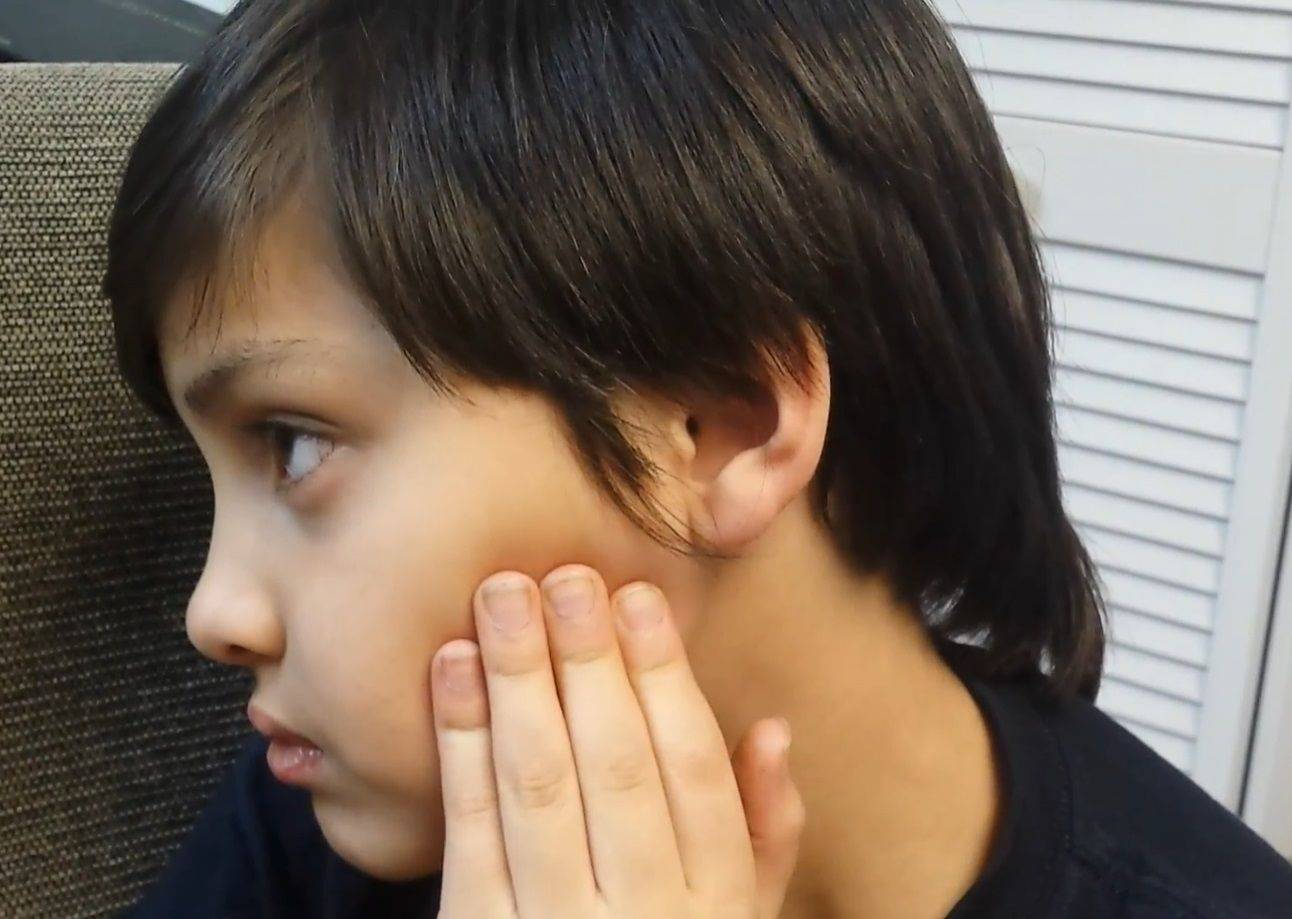
The TMJ is part of a developing craniofacial system. Mandibular growth and position, orthopedic development, orthodontic treatment, airway and breathing, muscle function and joint health may interact and influence one another over time.
The child with asymmetrical growth.
The adolescent with clicking or deviation.
The orthodontic patient with an unstable joint.
The adult with headaches, joint pain, muscle pain or limited opening.
These may not simply be isolated findings.
They may represent different points along a developmental story.
This course teaches you to connect those dots clinically—without assuming every finding requires treatment.
Learn what to look for, what may represent risk, what warrants further evaluation, and when monitoring, treatment, interdisciplinary care or referral may be appropriate.
WHO IS THIS COURSE FOR?
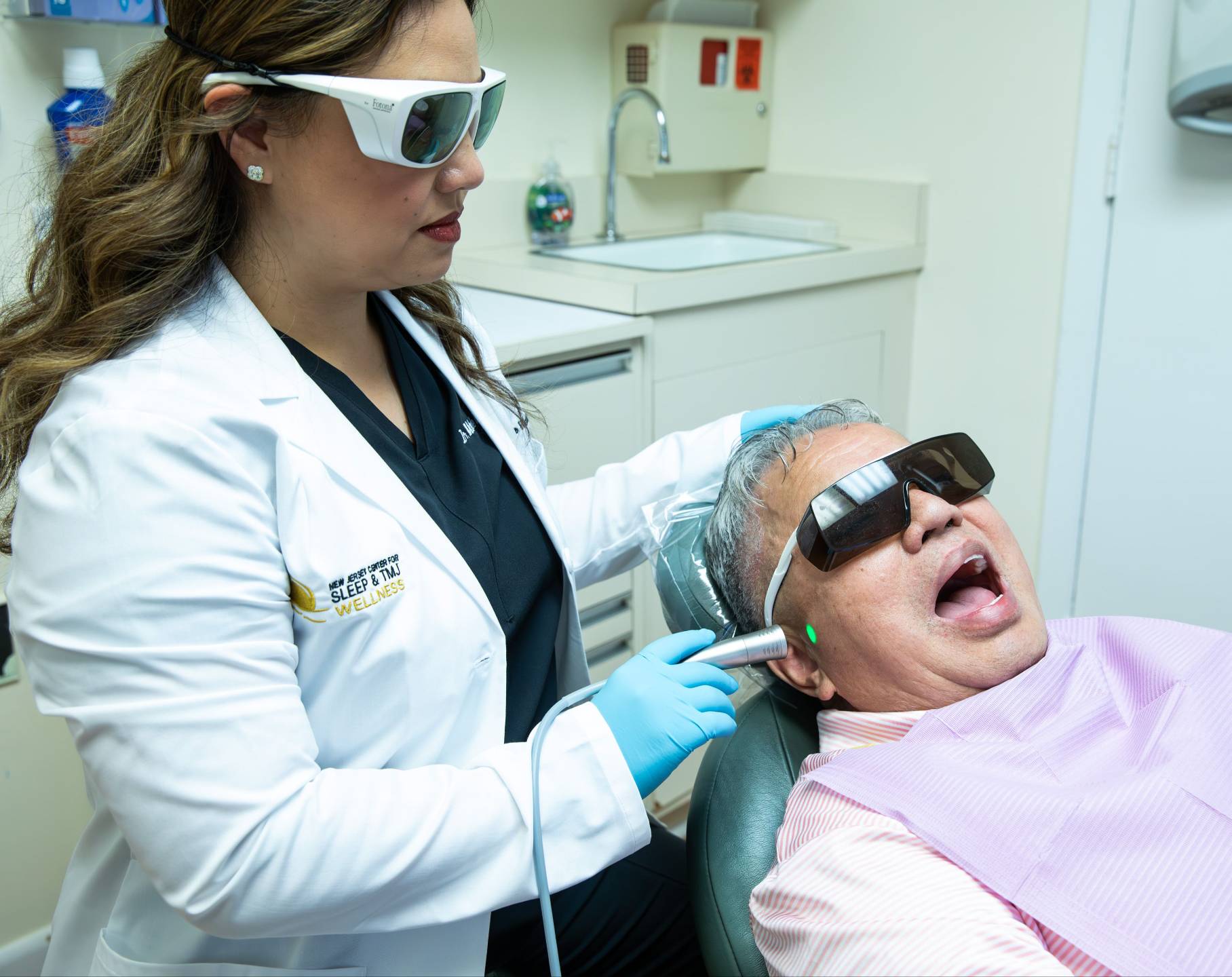
This course is designed primarily for general dentists who want to become more confident evaluating and managing TMD in their practices. It is also relevant for orthodontists, pediatric dentists and other dental specialists interested in the relationships among TMJ health, craniofacial development, orthodontics, airway and sleep.
It is especially appropriate if you want to:
- Add or expand TMD services in your practice; understand TMD from a developmental—not simply symptomatic—perspective; recognize potential risk factors in children while learning to evaluate and manage adolescents and adults; integrate regenerative and conservative modalities into treatment; and learn through practical, hands-on education rather than lecture alone.
- Know what to do when a patient who is symptomatic needs to do ortho treatment, or becomes symptomatic in the middle of orthodontic treatment.
- Understand why some patients become symptomatic after orthodontic treatment while other patient (most patients) do not.
- Understand the relationship between TMD and airway issues.
- Learn how to immediately incorporate and apply non-surgical management of TMD in your office when you return.
You do not need to already have a TMD practice.
The program is designed to give you a framework you can begin building upon when you return to your office.
WHAT YOU'LL LEARN
By the completion of this course, participants should be able to:
1. CONNECT
Explain the clinical relationships among TMJ health, craniofacial growth and development, orthopedics, orthodontics, airway, sleep and function—and recognize how those relationships may influence evaluation and treatment planning.
2. RECOGNIZE
Identify potential TMJ-related risk factors and clinical findings across developmental stages, including findings in children that may warrant monitoring, further evaluation or referral.
3. EVALUATE
Apply a systematic approach to evaluating adolescent and adult TMD patients, including clinical examination, case selection and appropriate use of imaging such as MRI.
4. IMPLEMENT
Develop a practical TMD workflow for the dental practice, incorporating diagnosis, documentation, treatment sequencing and interdisciplinary care when appropriate.
5. TREAT
Demonstrate appropriate clinical techniques for selected adolescent and adult TMD patients, including PRF, trigger point injections, red light therapy and laser photobiomodulation, while recognizing when splint therapy, adjunctive care, monitoring or referral may be more appropriate.
LEARN IT ONLINE. DO IT HANDS-ON.
PHASE 1 | ONLINE FOUNDATIONS
8 Hours | Learn the WHY, WHEN & WHO
Complete the foundational education before arriving so your in-person time can focus on clinical application and skill development.
Topics include:
TMJ, Growth & Development
Connect joint health with craniofacial growth, orthopedics, orthodontics, airway, sleep and function.
Diagnosis, Case Selection & MRI
Learn what to evaluate, when imaging may be appropriate, and how findings can influence treatment decisions.
TMD & Orthodontics
Understand TMJ considerations before and during active orthodontic treatment.
Regenerative & Conservative Therapies
Learn the science, indications and case-selection principles behind PRF, trigger point injections, laser photobiomodulation and splint therapy.
Adjunctive & Interdisciplinary Care
Understand where myofunctional therapy, physical therapy, craniosacral therapy, osteopathic care and chiropractic care may complement dental treatment—and when collaboration or referral may be appropriate.
Integration & Implementation
Treatment sequencing, consent, documentation, follow-up and building a practical workflow for your office.
PHASE 2 | LIVE HANDS-ON
2 Full Days | Learn the HOW
This is where knowledge becomes clinical skill.
With enrollment limited to 20 attendees, the live program is designed to maximize faculty access, discussion and supervised hands-on experience.
You'll work with:
Phlebotomy & PRF Preparation
From blood draw through preparation.
TMJ Injection Technique
Anatomy, positioning and PRF injection technique.
Trigger Point Injections
Practical injection technique for appropriate masticatory muscle trigger points.
Photobiomodulation
Clinical application of red light and laser therapy.
Joint Vibration Analysis & Splint Principles
Explore additional diagnostic and treatment tools within the larger clinical framework.
Real Cases
Work through cases that connect examination, imaging, diagnosis, case selection and treatment.
Only 20 seats.
Because hands-on training should actually be hands-on.
WHY THIS COURSE IS DIFFERENT
It connects what dentistry often teaches separately.
Growth. Orthopedics. Orthodontics. Airway. Sleep. TMJ. Function.
It looks across development.
Recognize potential risk factors in children, evaluate adolescents more comprehensively, and manage appropriate adolescent and adult TMD patients.
Diagnosis comes before the procedure.
PRF, laser and splints are tools. The first question is whether they belong in the treatment plan.
It includes interdisciplinary care.
Understand where myofunctional therapy, PT and other adjunctive disciplines may fit—and when to collaborate or refer.
It is taught by practicing clinicians—and built for implementation.
The online education provides the foundation. The live program develops the hands-on skills.
The goal isn't simply to know more.
It's to be able to do more.
YOUR INSTRUCTORS
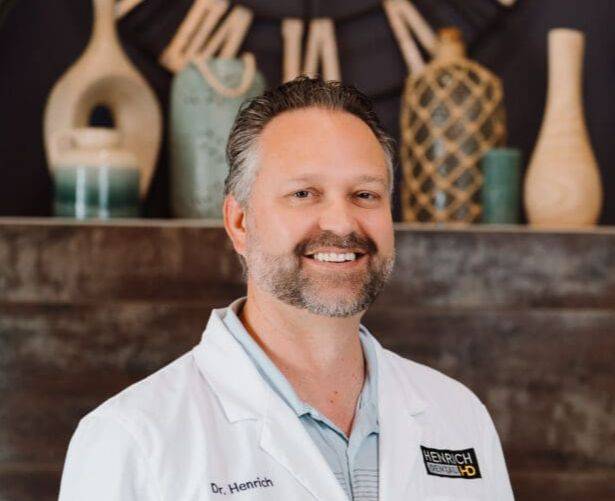
Frank Henrich, DDS
Dr. Frank Henrich is a practicing restorative and cosmetic dentist in Tulsa, Oklahoma, with a strong clinical focus on temporomandibular disorders (TMD), regenerative therapies, dental sleep medicine, implant dentistry, and comprehensive restorative care.
He has completed a residency with the American Academy of Craniofacial Pain, earned the Qualified Dentist designation from the American Academy of Dental Sleep Medicine (AADSM), and is board-eligible with the American Board of Dental Sleep Medicine (ABDSM). He also serves as a clinical instructor for the Spencer Study Club.
His extensive advanced training in TMD and regenerative therapies, combined with his previous experience as a Medical Technologist, brings a unique interdisciplinary and science-based perspective to patient care.
Michelle Weddle, DDS, FAGD, D-ABDSM
Dr. Michelle Weddle is a practicing dentist in New Jersey, with clinical interests in TMD, dental sleep medicine, airway health, and restorative dentistry.
Trained at Tufts, Pankey, Dawson, Kois, and Spear, she is a Diplomate of the American Board of Dental Sleep Medicine (ABDSM) and Co-Founder of ASAP Pathway (Airway, Sleep & Pediatrics), an interdisciplinary continuing education and professional community. She serves as Visiting Faculty at Spear Education and teaches in various hospital-based dental and medical training programs, with her practice serving as a clinical training site for sleep medicine fellows.
Her interdisciplinary, whole-body approach integrates airway, sleep, craniofacial development, and TMJ health, with a focus on managing TMD in adults and adolescents and identifying risk factors in growing children.
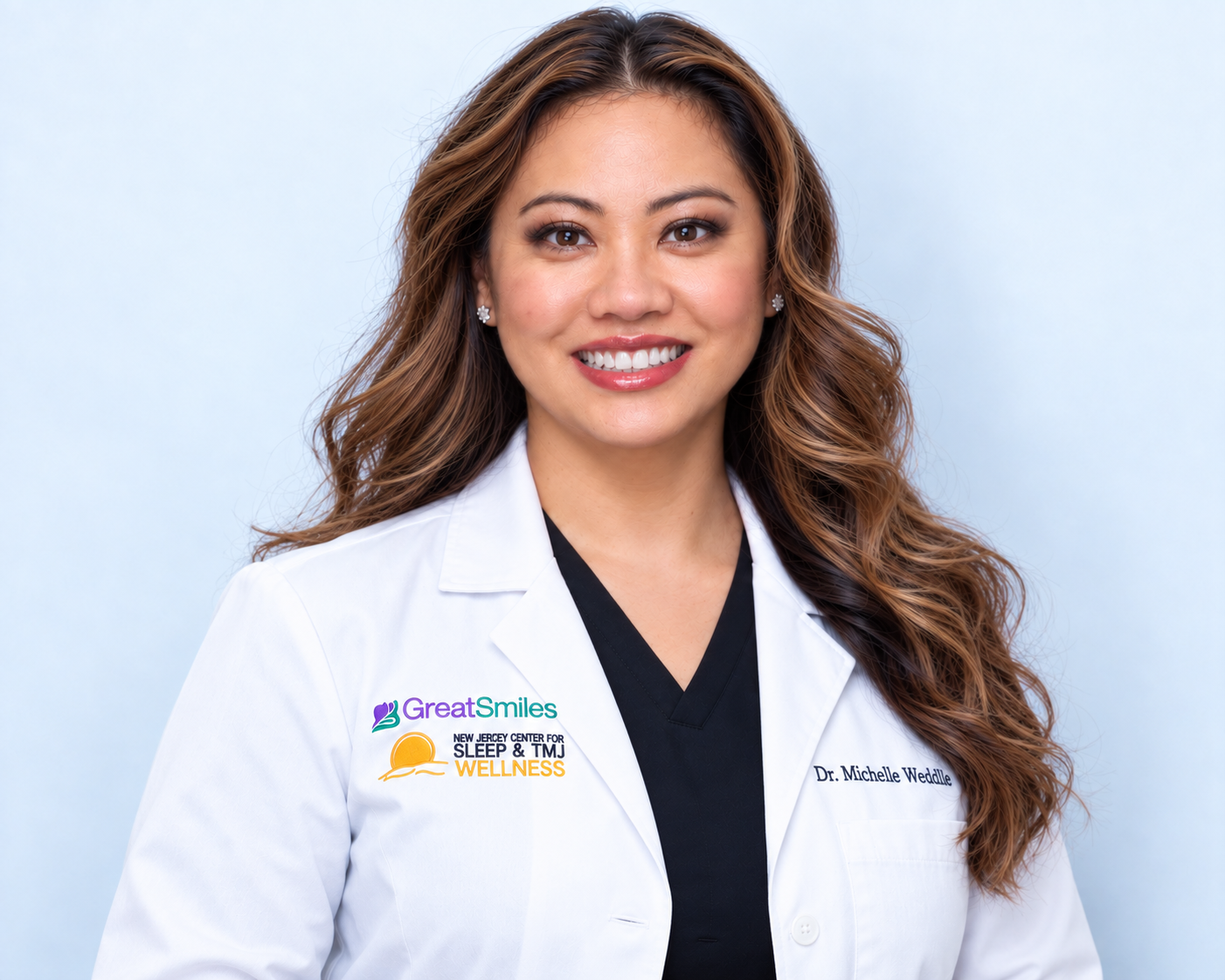
Two practicing clinicians. Two complementary perspectives. One practical approach.
COURSE FORMAT
20 CE Credits
Phase 1: 8 Hours Online Foundations
Phase 2: 2 Full Days Live Hands-On
Enrollment Limited to 20 Attendees
Dentists and team members are welcome.
Participation in clinical hands-on procedures is subject to professional licensure and applicable state scope-of-practice requirements.
Course Location: Henrich Dental
7905 East 106th St
Tulsa, OK 74133
Course Schedule: Fri 2/12/27 - 9am - 4pm
Sat 2/13/27 - 9am - 3pm
COURSE INVESTMENT
REGISTRATION $4,597
EARLY REGISTRATION
October 1 – November 30
IMPORTANT NOTE ABOUT BOTULINUM TOXIN
This course teaches muscular injection technique using local anesthetic for trigger point injections. The anatomical and injection skills are relevant to botulinum toxin administration; however, this course does not provide certification to administer botulinum toxin which is required in many states. Any state-required BoNT/A education, certification or authorization must be obtained separately, as state laws vary.
CONNECT → RECOGNIZE → EVALUATE → IMPLEMENT → TREAT
Don't just learn about TMD. Learn how to bring it into your practice.
Connect the concepts.
Recognize risk earlier.
Evaluate more comprehensively.
Build a system you can implement.
Treat appropriate patients—and know when to collaborate or refer.
REGENERATIVE TMJ FOR ADOLESCENTS & ADULTS
20 CE Credits | Online Foundations + 2-Day Live Hands-On
Only 20 Seats
A Dental Link Program | Sponsored by ASAP Pathway
Learn it online.
Do it hands-on.
Bring it back to your practice.
CANCELLATION POLICY
Course withdrawal with written notice 60 days or more before the first day of the course: FULL REFUND MINUS (-$500)
Course withdrawal written notice 30-59 days: 50% of the course registration could be transferred to a future live course designated by the attendee.
Course withdrawal 29 days or less: No refunds or credits could be given for course withdrawal within 30 days of the first day of the course.
If courses are purchased during promotional periods, any refunds due will be prorated based on the discounted fee paid.
Video and Photography Disclaimer
Please be advised that ASAP Pathway will videotape and photograph attendees during the entire course event. By attending the course you consent to ASAP Pathway’s use and/or reproduction of, and the development of derivative works from, your name, voice, and/or likeness in any and all formats, presently conceivable or not presently conceivable, singularly or in conjunction with other media, or as part of a compilation advertisement, including but not limited to audio, video, paper, digital, and/or electronic media, in any manner, anticipated or unanticipated, for advertising, commercial, publicity, or any other business purposes of ASAP Pathway. ASAP Pathway will not be liable for any claims against you arising out of or otherwise associated with said use, reproduction, or derivation of your name, voice and/or likeness. Moreover, you understand and agree that you will not be entitled to any financial or other remuneration for said use, reproduction, or derivation by ASAP Pathway.